Showing posts with label Pampanga. Show all posts

Sunday, August 2, 2026

Exploring San Fernando, Pampanga: Arts, Food and Faith (1st of 3 Parts)

We went on a road trip to San Fernando, Pampanga last month, and it was both a memorable and enriching experience.   It took us almost two hours to reach the city, and our day trip gave us a glimpse of the many facets of Pampanga’s heritage, including paintings and religious artifacts, Kapampangan food, and historic churches.

Our morning started with a visit to the Museum of Philippine Arts and Culture, where we explored an impressive collection of works by some of the country's most celebrated artists, including Juvenal Sansó, Ang Kiukok, H.R. Ocampo, Malang, and Magsaysay-Ho.


The museum's collection, divided into two sections, included works by artists who received the Presidential Merit Award and those who were honored as National Artists of the Philippines. While each gallery showcased a different artistic perspective, together they painted a compelling portrait of Filipino life, history, and identity.


One fascinating detail we learned from our guide, Seb, was that artists such as Ang Kiukok and Juvenal Sansó often included a small dot or distinctive mark in their paintings to help identify the work as an original. Some visitors might overlook that detail, but it added another layer of appreciation for the artist's personality.


The art pieces are part of the personal collection of former Commissioner Andrea Domingo, and I noticed that many of the paintings celebrated Filipino women. Although expressed and painted in different styles,  they all seemed to capture the grace, strength, beauty, and femininity of the Filipina. The women portrayed in these works were not merely subjects; they were central figures in the story of Filipino life and culture.


Another recurring theme in the collection was Philippine rural life. Many of the paintings featured scenes such as farmers planting rice in lush fields, fishermen bringing in their catch, women weaving baskets by hand, and others gathering fruit from trees or carrying the day's harvest. Seb explained that many of the artists drew inspiration from the places where they lived, and it was easy to see how their communities, landscapes, and everyday experiences found their way onto canvas.

 After viewing the paintings, we went to another building in the complex that houses a collection of historical and religious artifacts. Among the most notable pieces were the many images and statues of the Virgin Mary and the Santo Niño. The images reflect the deep Catholic faith that has shaped Filipino’s belief and culture for centuries. 


The collection also included old pots, earthenware, and other ceremonial objects that offered a glimpse into how the earlier generations lived.


While I found the artifacts fascinating, I could not help feeling a little sad as I looked at some of them. Many of the religious images were clearly very old, and several appeared worn, faded, or in need of restoration. Their appearance may give them character and authenticity, but it also raises the need for their preservation.


Nevertheless, these artifacts, along with the artworks of Filipino masters, would someday help us better understand and remember the cultural, artistic, and spiritual foundations of our society.


Original images taken during our trip. No copyright infringement intended.

Sunday, April 24, 2016

Things to See at the Nayon Filipino

Filipinos about my age would still remember the Nayon Filipino (Filipino Village) in what is now Terminal 2 of the international airport. The park was a showcase of the best tourist destinations in each region of the country.  It was a favorite place to go to during our school field trips.

Unfortunately it had to be dismantled when previous governments ago decided to build a new airport.  A new park was built in the former Clark Air Base and it was much smaller than its predecessor.

We visited the park last Thursday.  It is only an hour or less away from Manila.  It is easy to get there from the main gate of the base since there are directional signs along the way.

Here are some of the things one can see in the park.

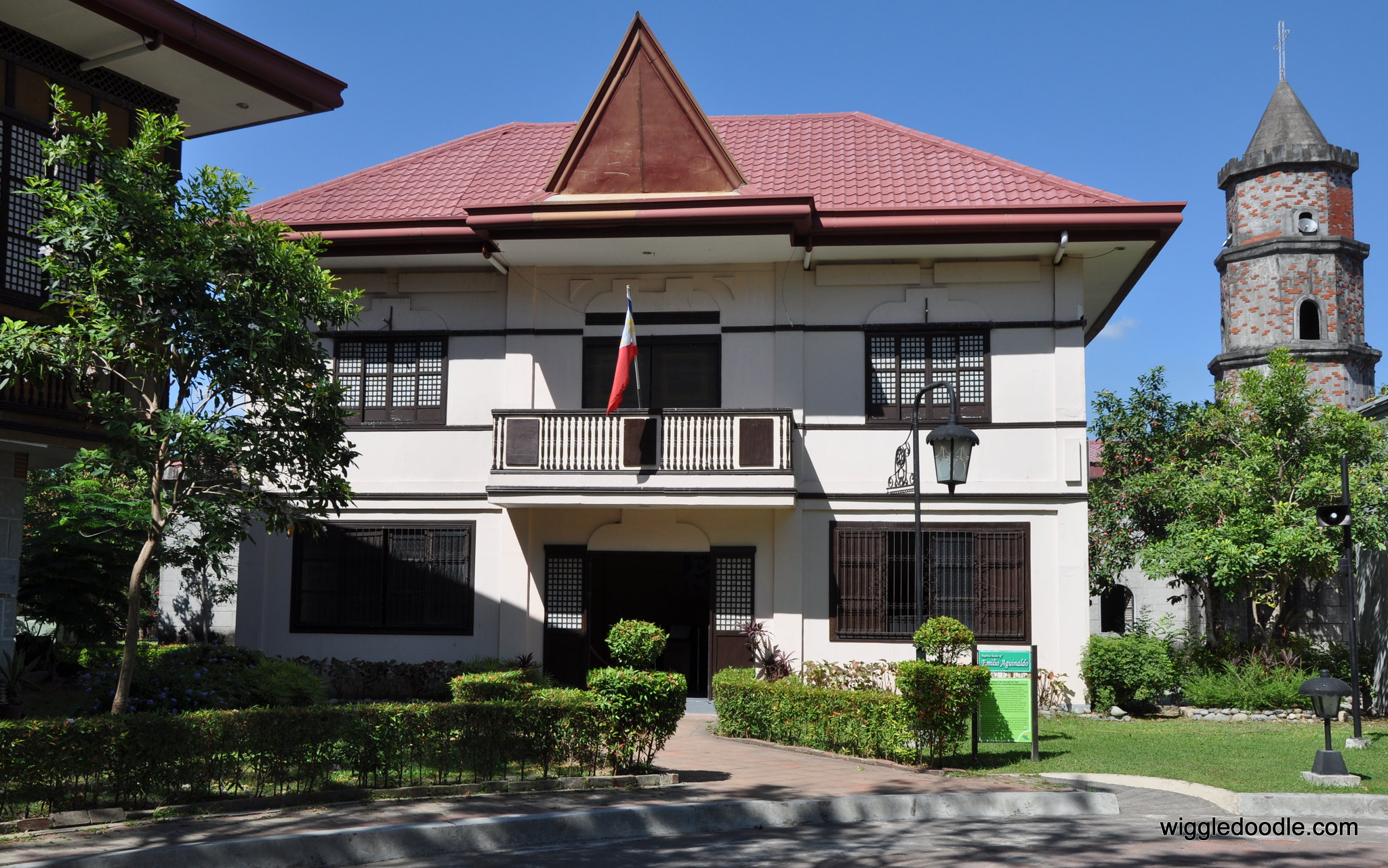
The Heroes Park which features a replica of the Aguinaldo mansion.


Nayong Filipino

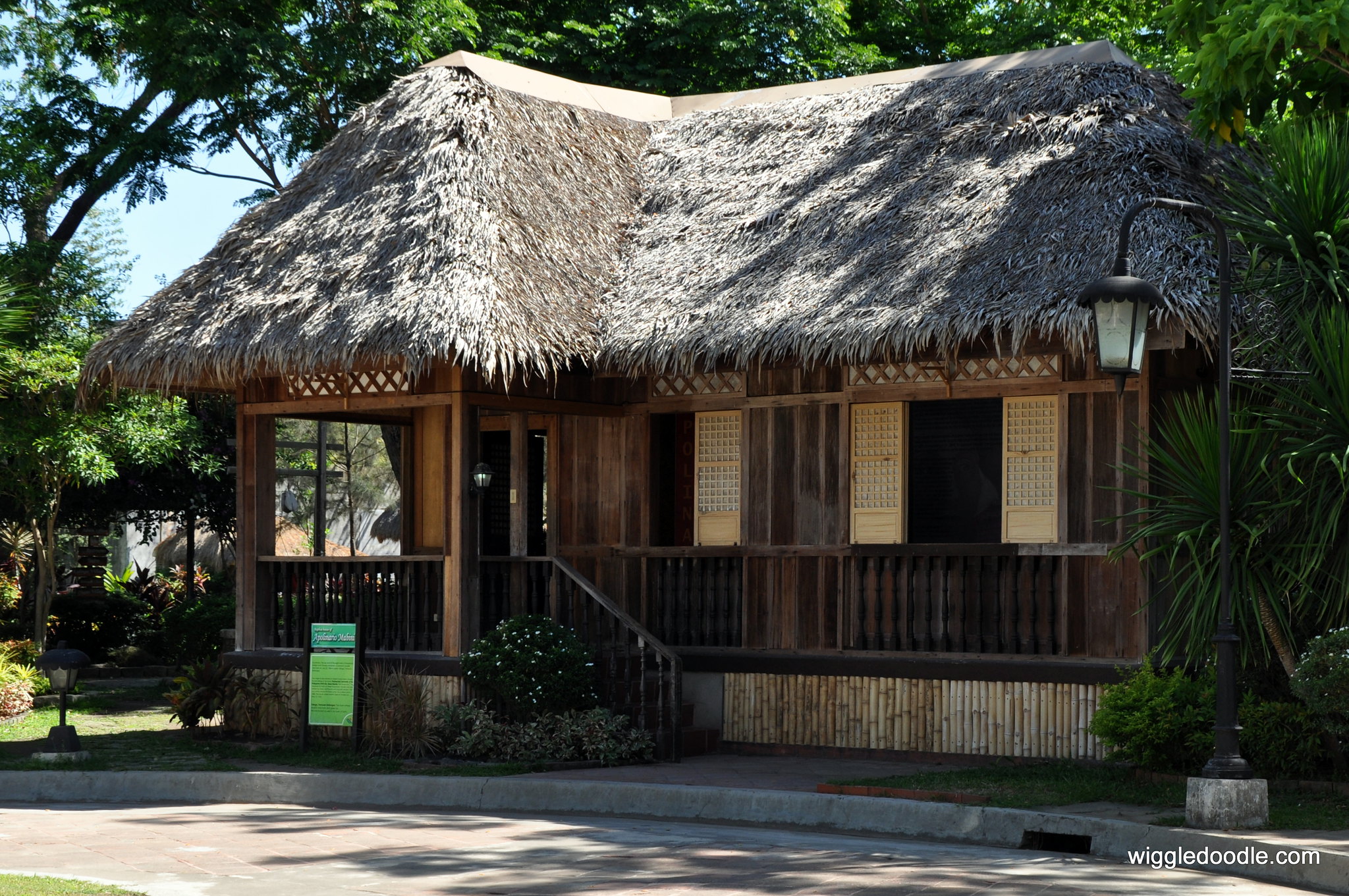
the Mabini house

Nayong Filipino

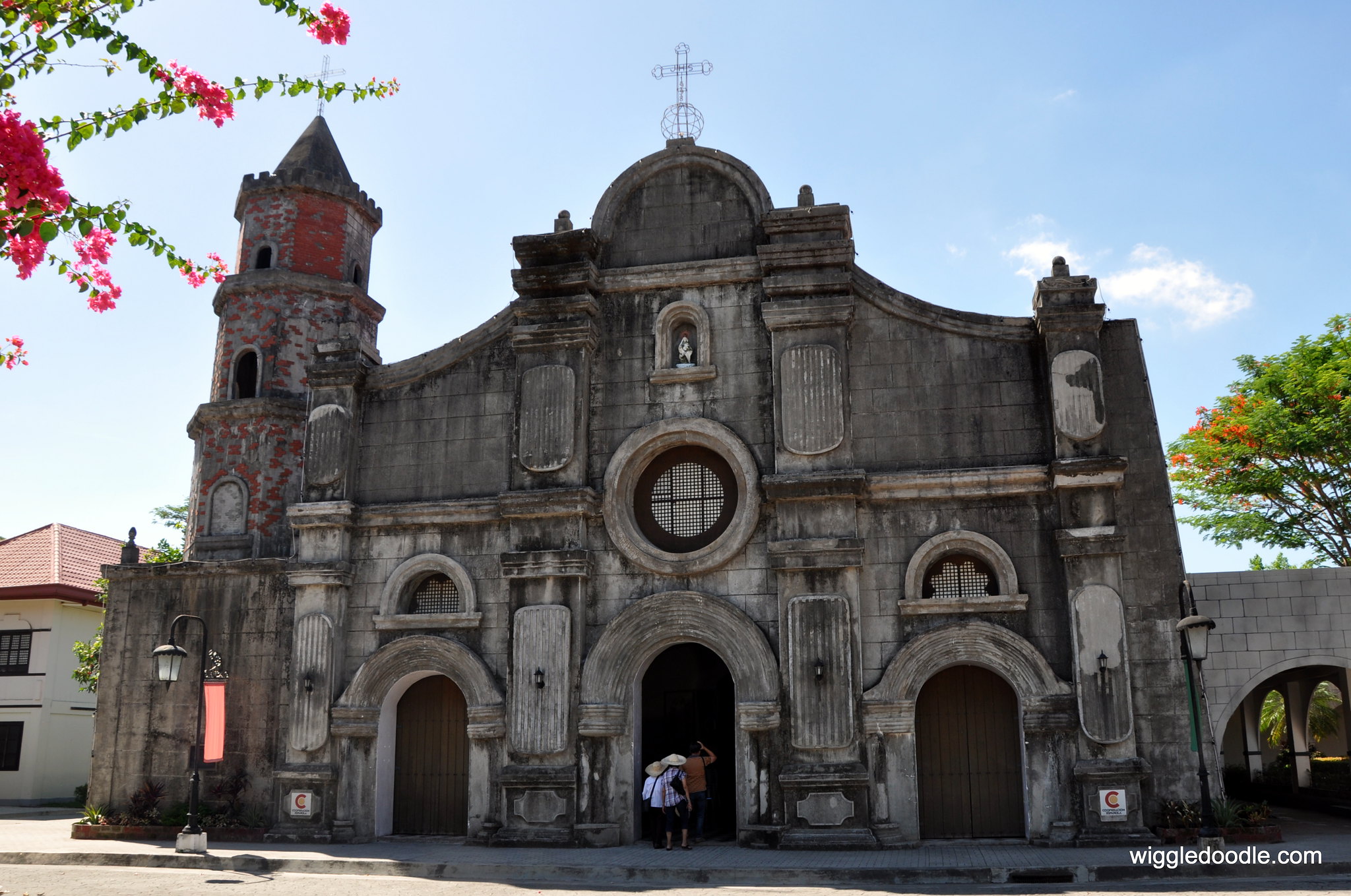
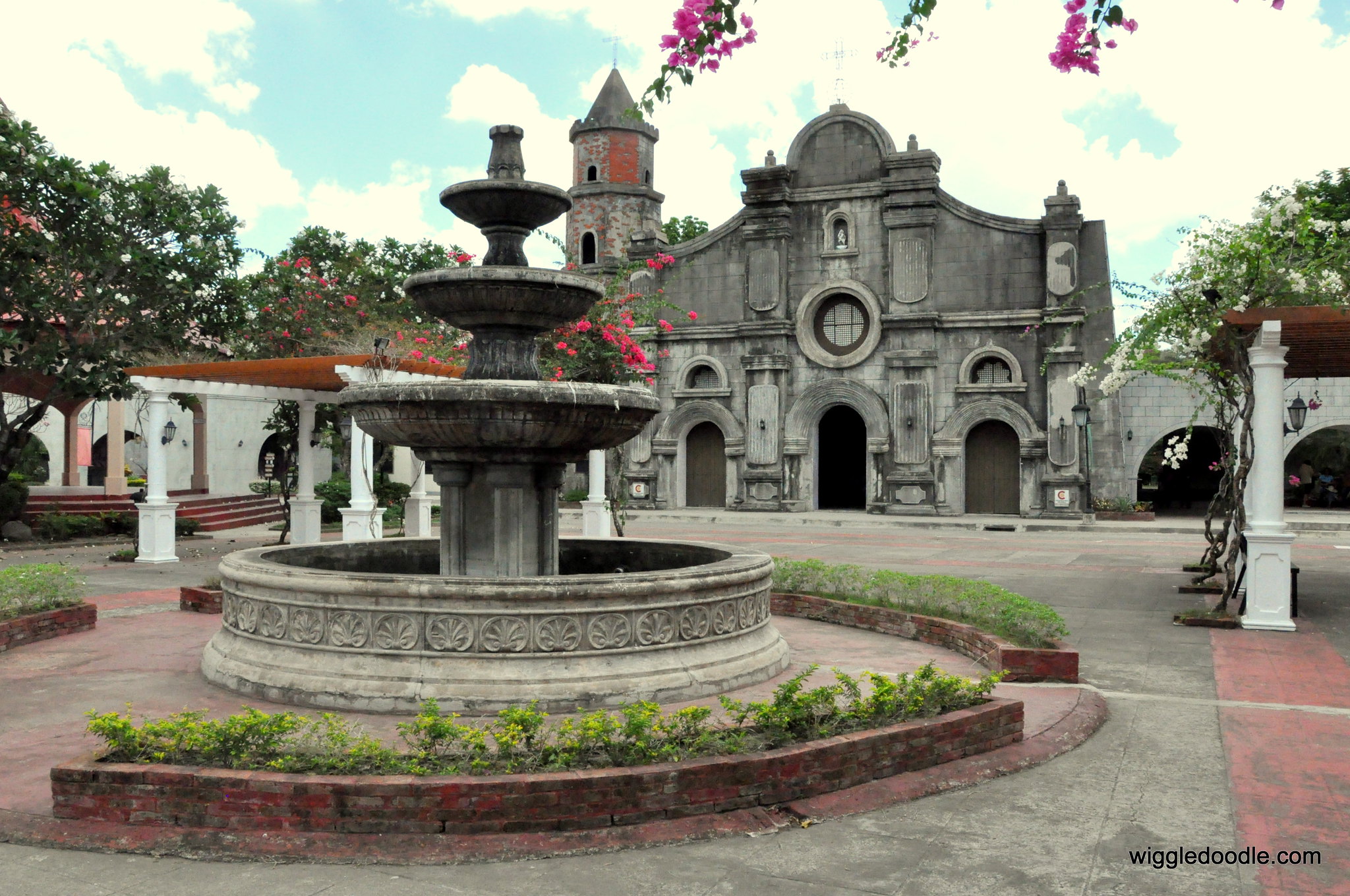
and the Barasoain Church where the first Congress of the Philippines met.

Nayon Filipino

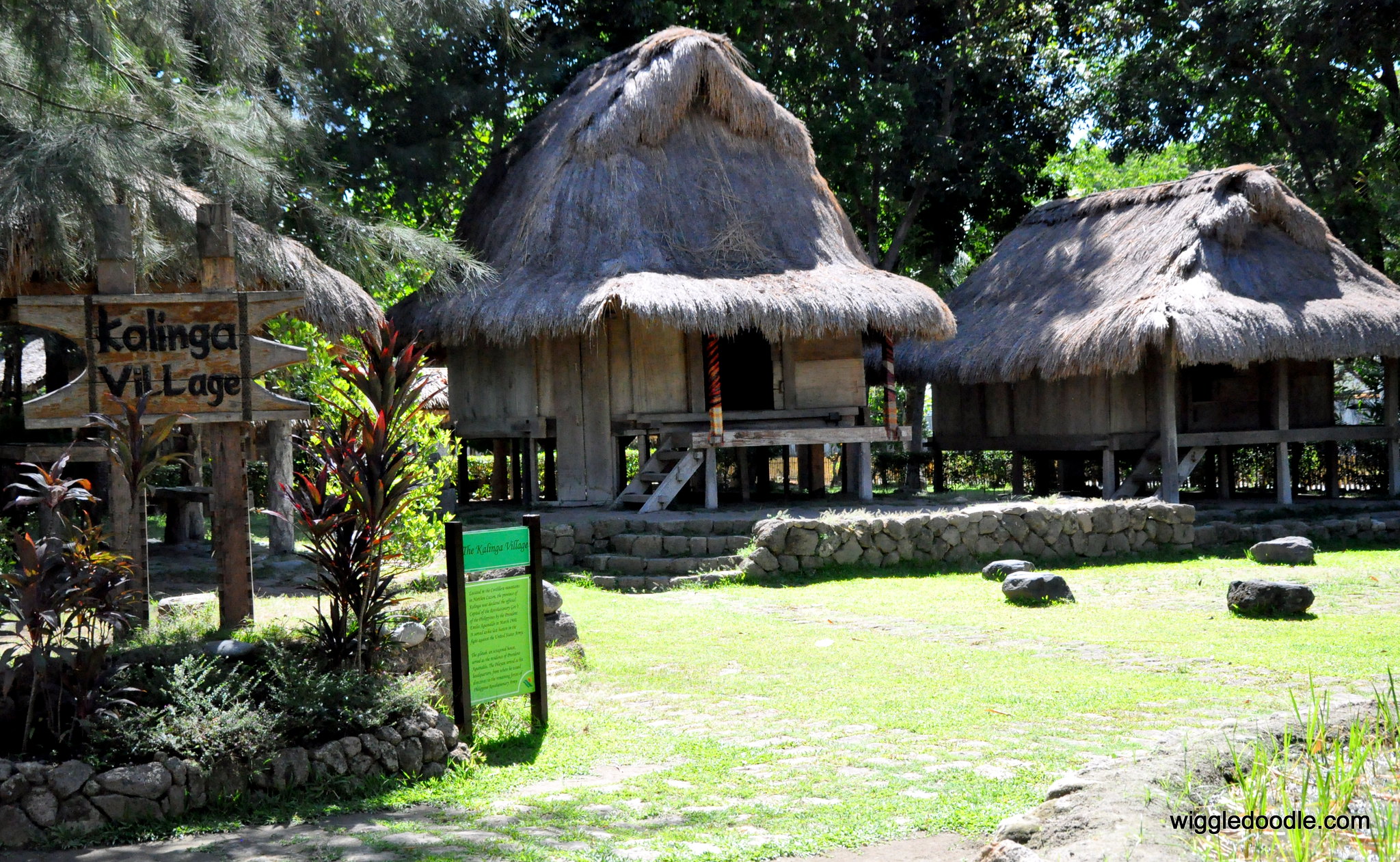
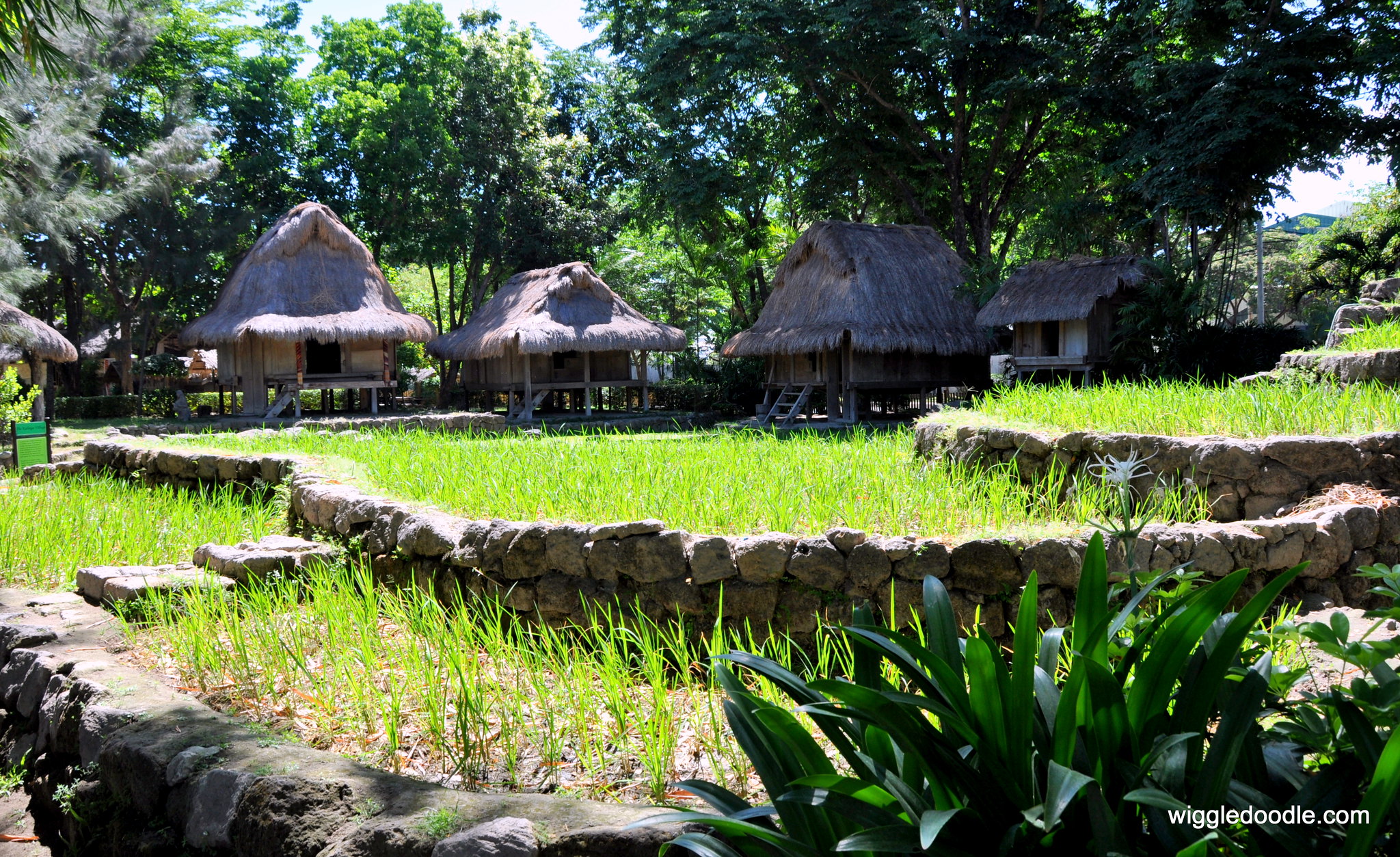
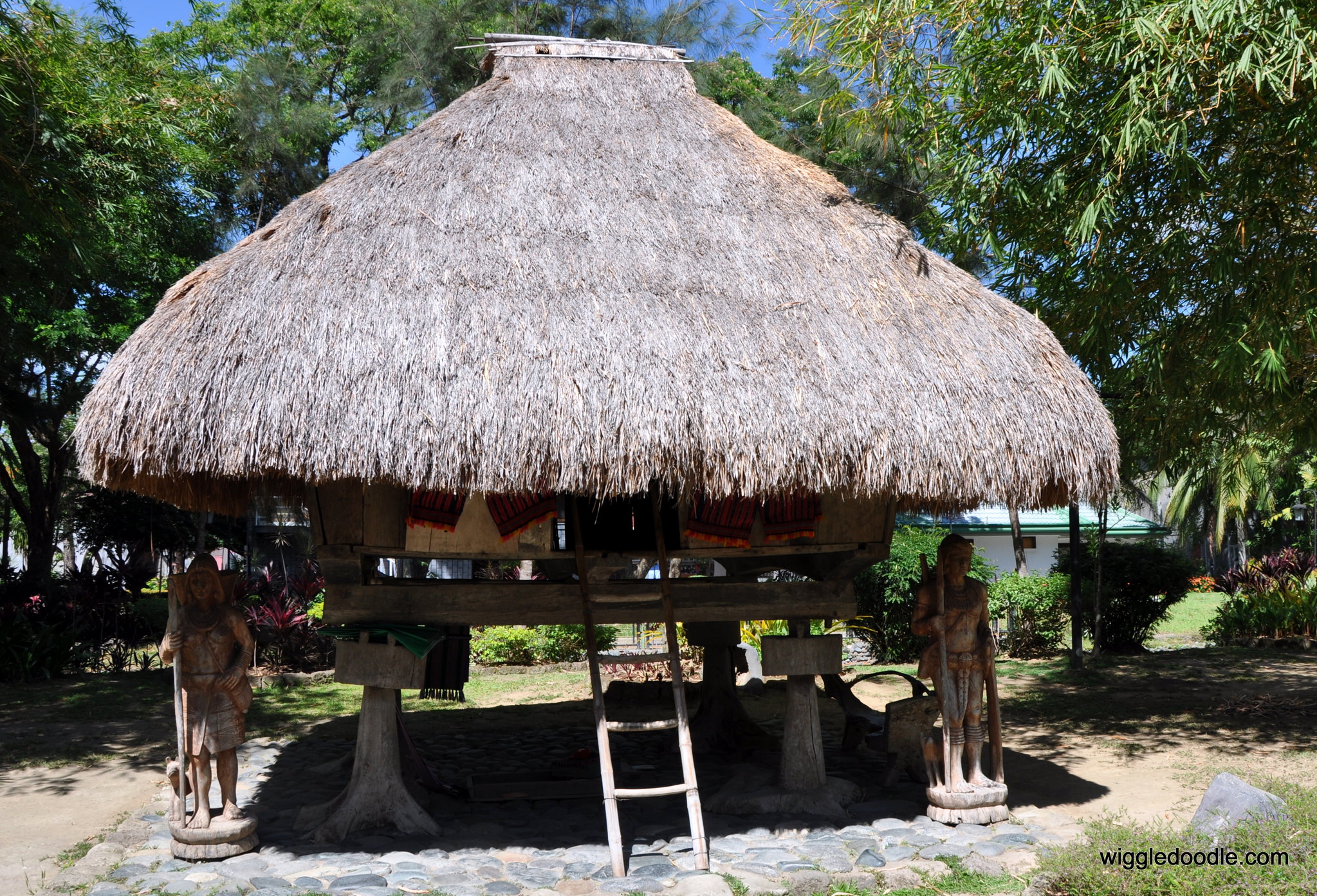
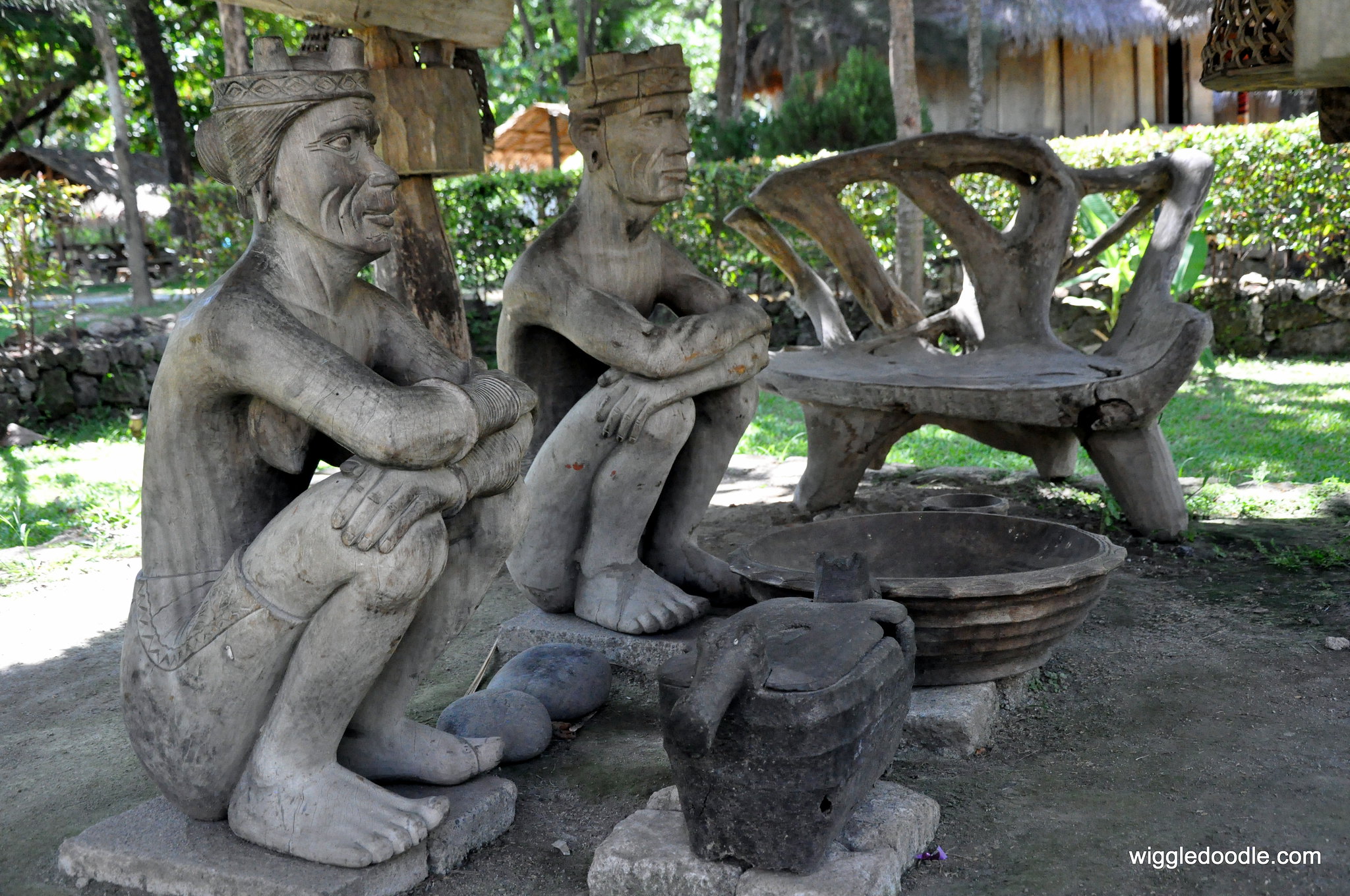
There are also mini villages representing those from the Mountain Province.

Nayong Filipino

Nayong Filipino

Nayong Filipino

Nayong Filipino

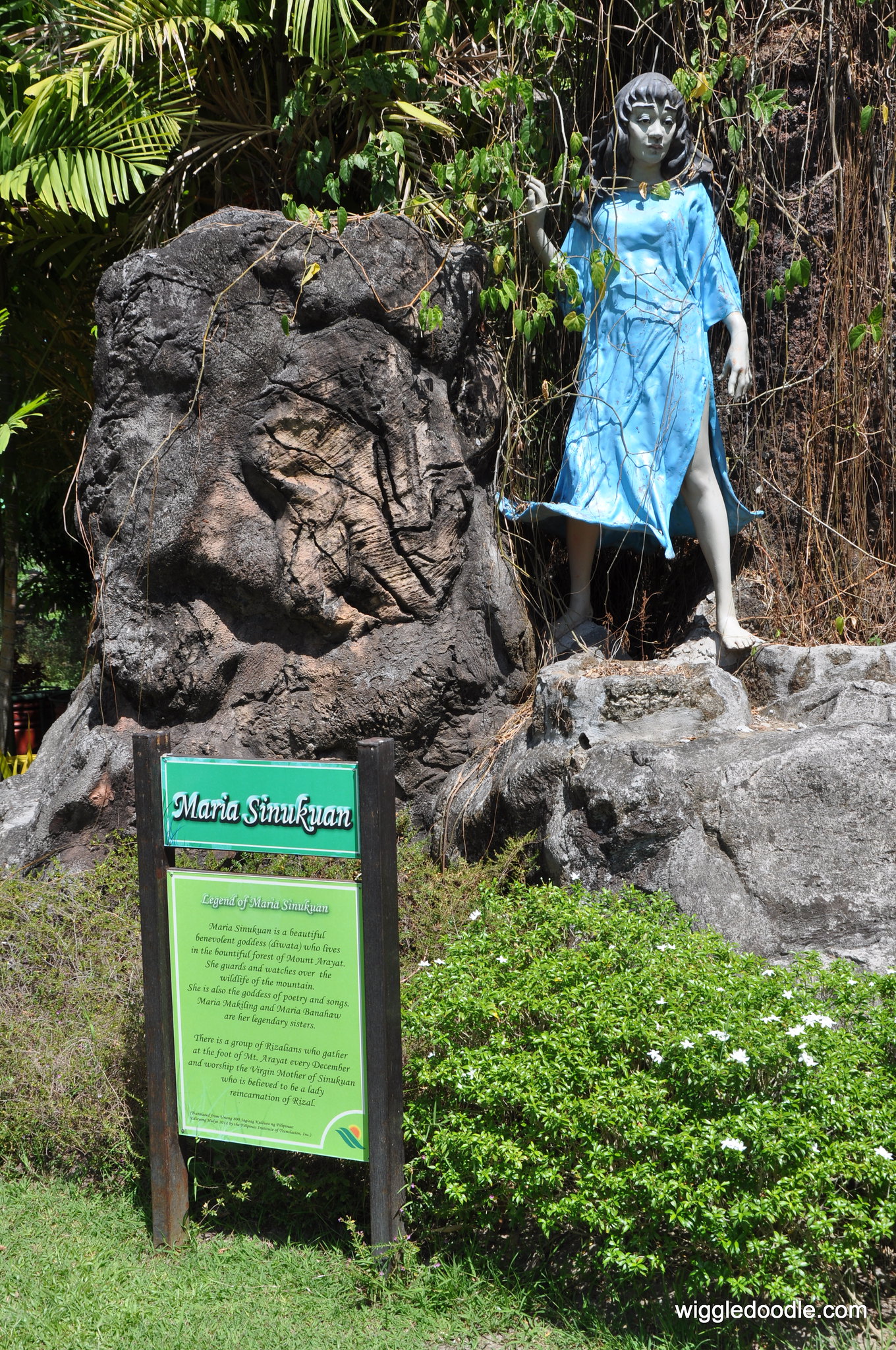
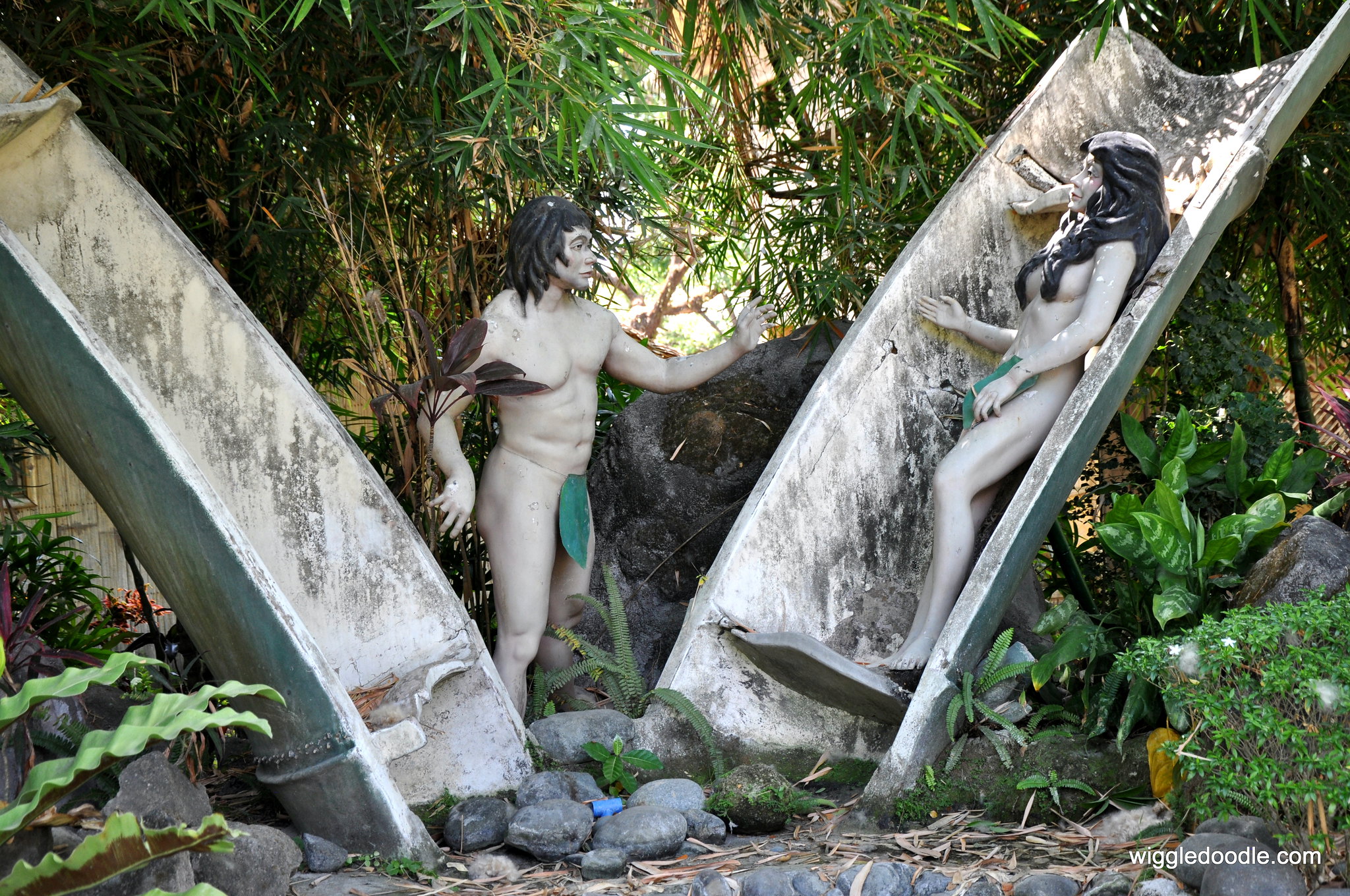
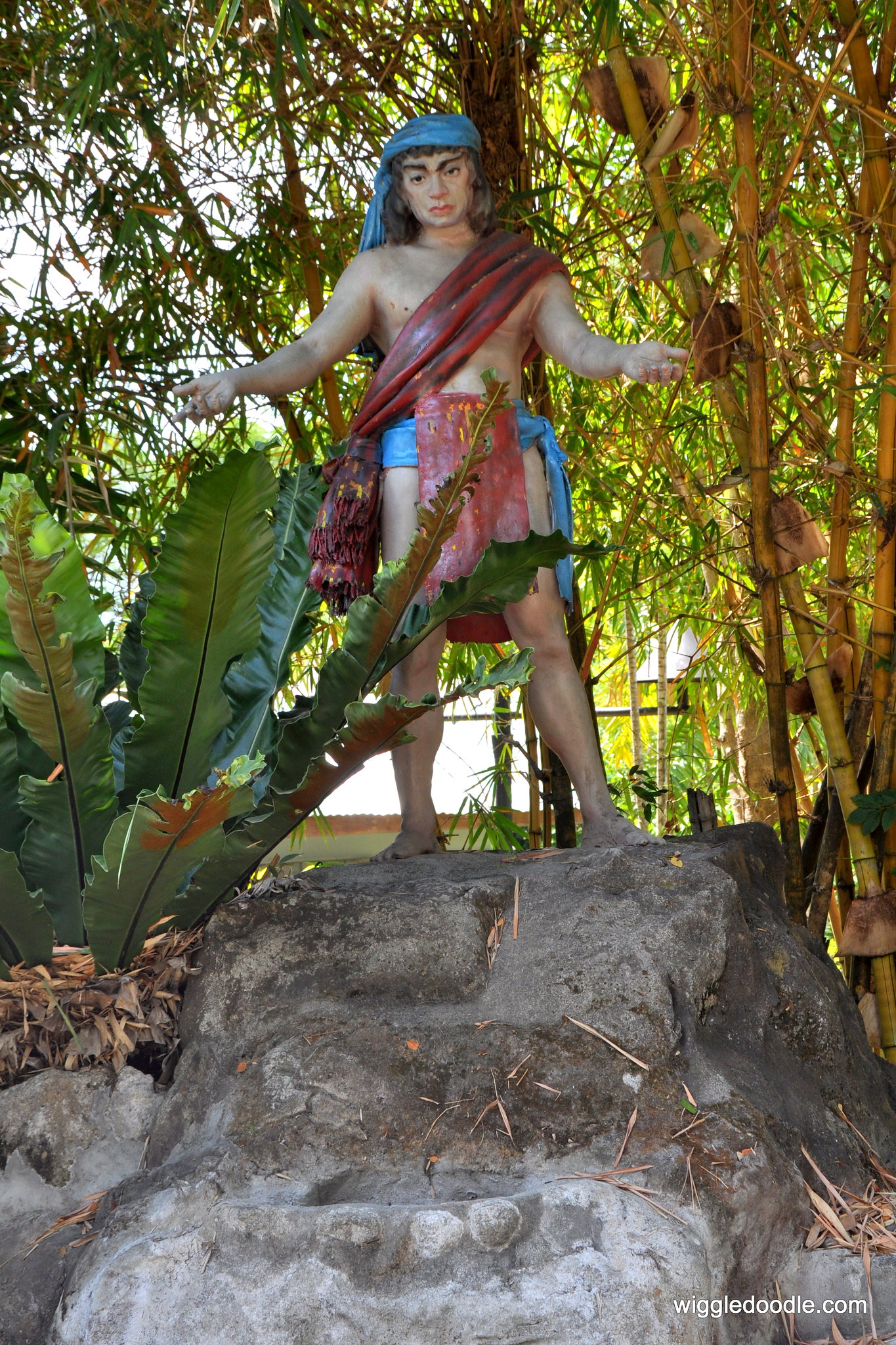
There were also representations of characters from Filipino myths and legends like Mariang Sinukuan, Malakas and Maganda, and others


Nayong Filipino


Nayong Filipino


Nayong Filipino


There's a cultural show three times a day at the Teatro near the Heroes Park that features dances from the colonial times, Mindanao and of course during the barrio fiesta.  I only wish that they get more graceful dancers and they improve the seating arrangement.

While the new park does not evoke the same feelings as the old one, it's still worth to visit and show off to your visitors.


Nayong Filipino


Saturday, May 11, 2013

Viajeng Cusinang Matua - A Capampangan Food Trip Pt. 3

This is the third and final part of my account of our Viajeng Cusinang Matua trip to the old kitchens of Pampanga.

Our next stop was the Prado Farm in Lubao.  It's owned by the Gutierrez Family who are into arts and eco-management.  The first thing that you will see when you get there is the main gate made out of old LPG cylinders.  We went around the farm first before we had our afternoon merienda.

Viajeng Cusinang Matua

Everywhere you go inside the compound, you'll see things even buildings made from recycled materials.  Even the art installations around the farm were fashioned from old things

Viajeng Cusinang Matua

Viajeng Cusinang Matua


Viajeng Cusinang Matua

The farm has a chapel which also made from recycled materials.  It can be rented out for a wedding and could accomodate about 300 guests.


They also have an Ifugao House where guests may have a bonfire at night. It also looked like an amphitheater where anyone can do some performance.

Viajeng Cusinang Matua

Guests can also dip in the salt water pool.  We were told that the salinity of the water is monitored constantly and they add salt when it goes down.

Viajeng Cusinang Matua

We had our merienda at their main building, beside a lily pond.  They have a fountain coming straight from the roof of the building, giving the impression of rain on a warm summer afternoon.

Viajeng Cusinang Matua

Our merienda included another version of pisto topped with longganiza, pan de sal and kesong puti made from goat's milk, as well as tsokolate baterol with pinipig paired with crunchy fried suman.

Viajeng Cusinang Matua

Viajeng Cusinang Matua

We moved on to our final stop of our trip, the Gosioco Ancestral House in Sta. Rita.  It was a really old house made of wood with only the lower part or silong made of concrete.  It reminded me of the old house my father's family used to own in Paco, Manila.

Viajeng Cusinang Matua

The house was full of old stuff and what attracted my attention were the frames of cut out religious figures that were like 3D pictures.  Atching May who now lives in the house told me that the frames were made by the grandmother and grandaunts of her grandmother.  So those must be at least a hundred years old.


We ate outside, in the backyard beside an old kamalig where they used to keep their harvested rice.  Our dinner included food that were traditionally served to the guests of the Gosioco family.  Atching May explained that the recipes were handed down through generations.  

My favorite was the Asadong Matua, pork asado eaten with native atchara, which I also really liked.

Viajeng Cusinang Matua

Then there's the vegetable dish which I didn't get the name.  It's sautéed squash and patola. 


Viajeng Cusinang Matua

We were also given their own recipe of pocherong tilapia which was a traditional Gosioco family dish.

Viajeng Cusinang Matua

Another Gosioco Family recipe was the Native Chicken boiled and cooked in a soup with tanglad or lemongrass.  Atching May told us that it's like tinola, except that this one was dry and yes, has lemongrass in it instead of ginger.


For our drinks, we had a wonderful and refreshing buko sherbet.  It's actually fresh buko juice but I think it was mixed with some pandan leaves extract.  It was a great way to end a meal and a day long food trip of traditional Pampanga cuisine.


Saturday, May 4, 2013

Viajeng Cusinang Matua - A Capampangan Food Trip Pt. 1

My officemates and I recently took the Viajeng Cusinang Matua tour, a day trip to the old kitchens of Pampanga. Our guide, Tracey Santiago, who also operates the tour told us that we will be served traditional Capampangan food whose recipes were handed down from generation to generation.

Our first stop was at the Kusina ni Atching Lilian Borromeo in Mexico, Pampanga where we had our breakfast.   Atching Lilian (atching is a local honorific word for an older sister) is a food historian who has her own cook show on cable TV in Central Luzon.


She explained to us that Capampangan homes usually have a big kitchen because they love the cook.  She then told us what we were having for breakfast that morning.  Although some of the food looked familiar, Atching Lilian explained what gave these dishes the Capampangan treatment.

For example, the tidtad which is actually dinuguan. Their version was not as thick as what I am used with and the pig's blood was more solid.

Viajeng Cusinang Matua

My favorite in the lot is the kilayin.  It tasted like lechon paksiw but more sour and less sweet taste.

Viajeng Cusinang Matua

There's also the pisto, which Atching Lilian explained other families usually prepare using left over meat.  Her family's recipe uses fresh meat and also they added carrots and tomatoes.

Viajeng Cusinang Matua

There were also the chicken embutido.  We also tried the tocino and longganiza made of carabao beef that's why they were called tocino and longganiza damulag. Carabaos are called damulag in Pampanga.

Viajeng Cusinang Matua

For dessert, we were given the tejadang camatis or candied tomatoes.  They're sweet and the texture of the tomatoes was a little gummy.  Atching Lilian explained that they used three varieties of tomatoes for this: the red, green and purple.  She also gave us her secret how to keep the natural color of the tomatoes even when cooked: copper pans.  In fact she showed us a copper pan that she got from her grandmother and estimated to be more than a hundred years old.  It was also quite heavy.  But since such pans are rare now, she said that we could just put a copper coin in while cooking and the effect would still be the same.

Viajeng Cusinang Matua

After the main course, we had some tsokolate baterol and tamales.

Viajeng Cusinang Matua

After having our meal, Atching Lilian demonstrated to us how they make the San Nicolas cookies.  She said that the recipe calls for 6 egg yolks, some flour and water.  The resulting dough is then pressed in a mold similar to what Atching Lilian is holding in the picture.  The mold is almost like a family crest since each family uses its own design for their cookies.

Viajeng Cusinang Matua

Viajeng Cusinang Matua

And here's another interesting trivia Atching Lilian told us.  She explained that these special cookies were brought here by the Spaniards in the 1600s.  During that time churches were built in Pampanga using limestone combined with egg whites.  The yolk was thrown away and given the number of eggs used, they soon had a problem with the unpleasant odor brought about by the rotting material.  What the convent nuns did was  they taught their young convent girls how to make San Nicolas cookies.   The Capampangan modified the recipe to suit their taste and over the years, every family has its own version of the cookie.

The cookie is very much like the uraro.  But the locals believe that if blessed, the cookies have miraculous powers to bring a bountiful harvest, protect one from sickness, and other things.

We had to move on to our next stop though so we left Mexico for Arayat for our mid morning snacks.